
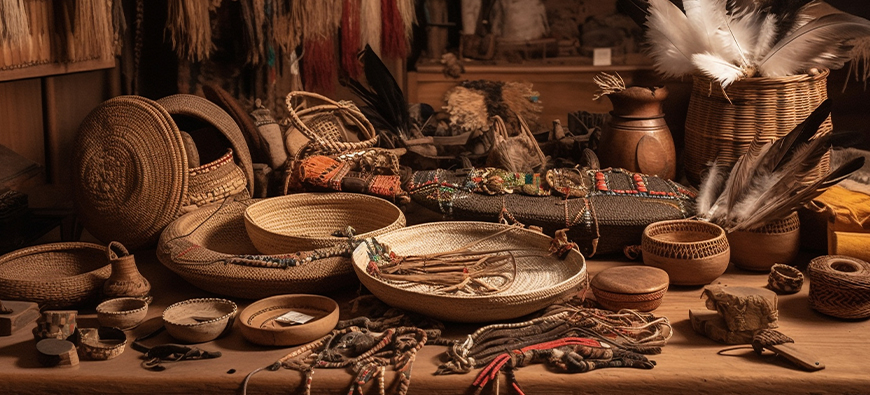
Regional materials play a vital role in creating authentic, sustainable, and meaningful architectural and interior designs. By using materials sourced locally, designers can reflect cultural identity while responding naturally to climate, environment, and lifestyle. Stone, timber, clay, terrazzo, lime plaster, and locally crafted finishes not only enhance aesthetics but also connect spaces to their surroundings.
Sustainability Through Local Sourcing
Using regional materials reduces transportation costs and carbon footprint, making projects more environmentally responsible. These materials are often better suited to local weather conditions, ensuring durability and long-term performance. Sustainable sourcing also supports local industries, craftsmen, and communities, strengthening the regional economy while preserving traditional building knowledge.
Cultural Identity and Timeless Appeal
Regional materials carry history and character. Handcrafted textures, natural imperfections, and earthy tones add depth and warmth that modern mass-produced materials often lack. When combined with contemporary design approaches, local materials create timeless interiors that feel grounded yet refined. This balance between tradition and innovation results in spaces that are both functional and emotionally engaging.
Modern Visualization of Local Materials
With advanced 3D visualization, regional materials can be accurately represented before construction begins. Designers and clients can explore textures, colors, and finishes in detail, ensuring informed decisions and design clarity. Visualizing local materials in realistic environments bridges the gap between concept and reality.
Designing with Purpose
Integrating regional materials is not just a design choice—it is a commitment to authenticity, sustainability, and contextual design. To explore how regional materials are thoughtfully visualized and integrated into modern spaces, visit https://reset.lk, where design meets innovation with local relevance.